

SEE/SAW
A Group Photography Exhibition

I love talking about SEE/SAW because I’m so proud of the concept. I have always had an interest in the personal work of professional photographers because they are a rarity in the art world, where their art is instantly commodified. I’ve watched countless photographers over the years have to fight for their pricing and various photo packages, arguing for the value of their work. The exhibition really came to a head one afternoon when I was talking photographer friend, and she told me, “I don’t make art, I just shoot weddings.” And I found that fascinating. Because of course that is art. But somewhere along the way, the line between art and commerce blurred to the point where she couldn’t recognize her work as art anymore.
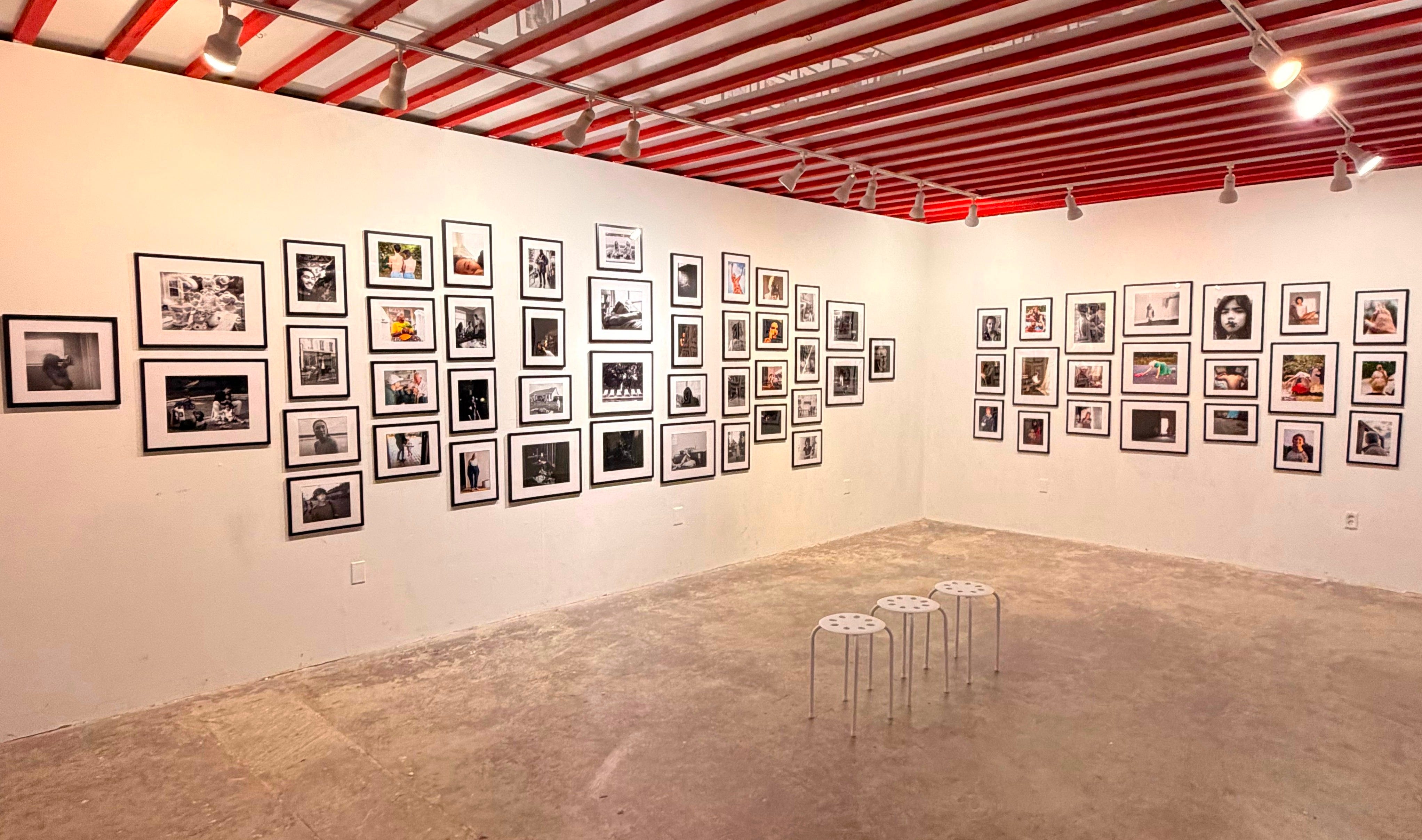
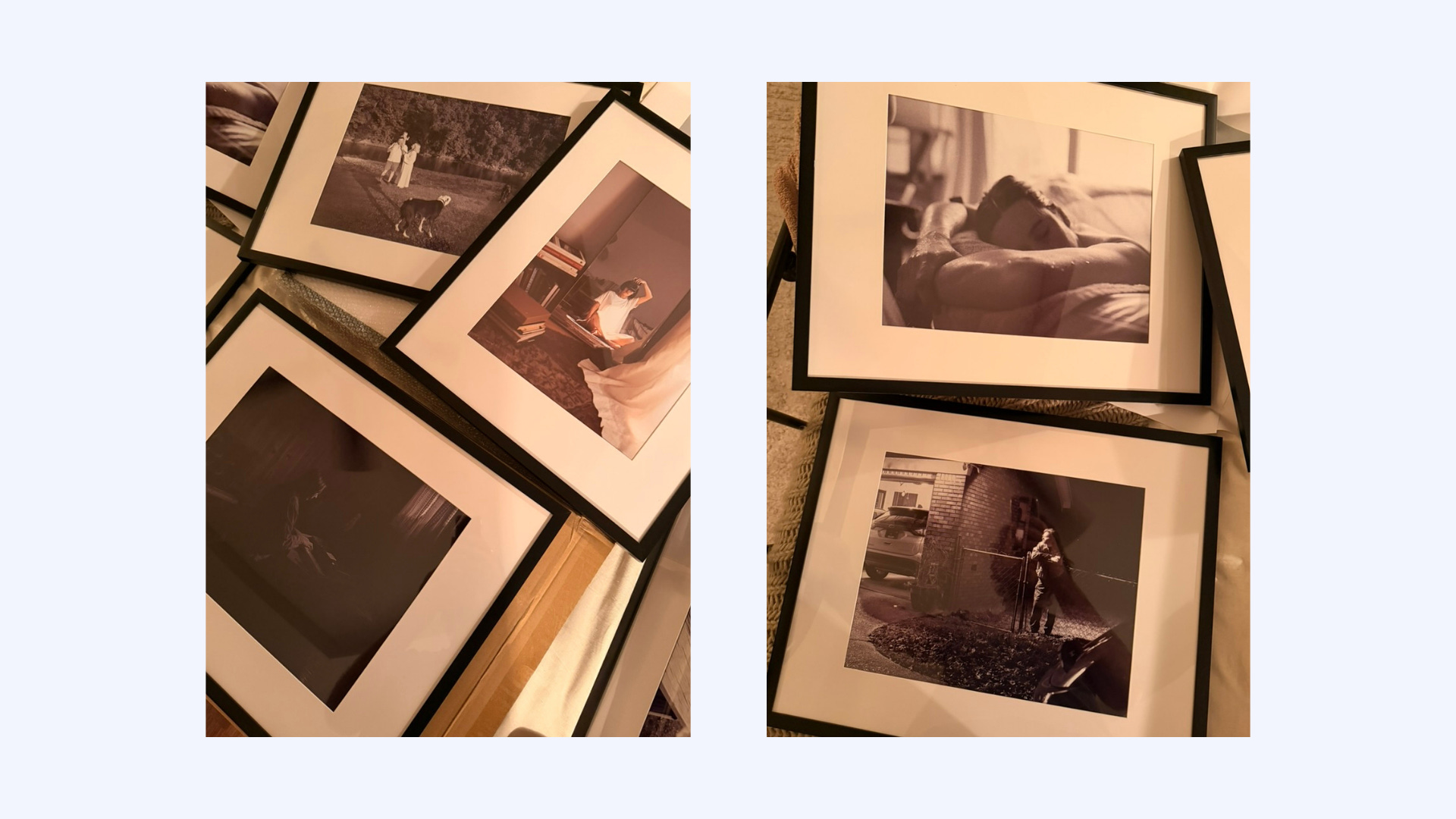
I released an open call back in November that invited photographers to be very vulnerable, and submit personal work. I specifically asked for professional photographers, because these are artists that make a living from work that doesn’t always translate to something they would create outside of being paid to produce it. It’s a means to an end. It is a commerce. It’s part of an economic system. I asked them to submit images that they were not paid to take, images of brothers, mothers, friends, and lovers. What came back was exactly that.
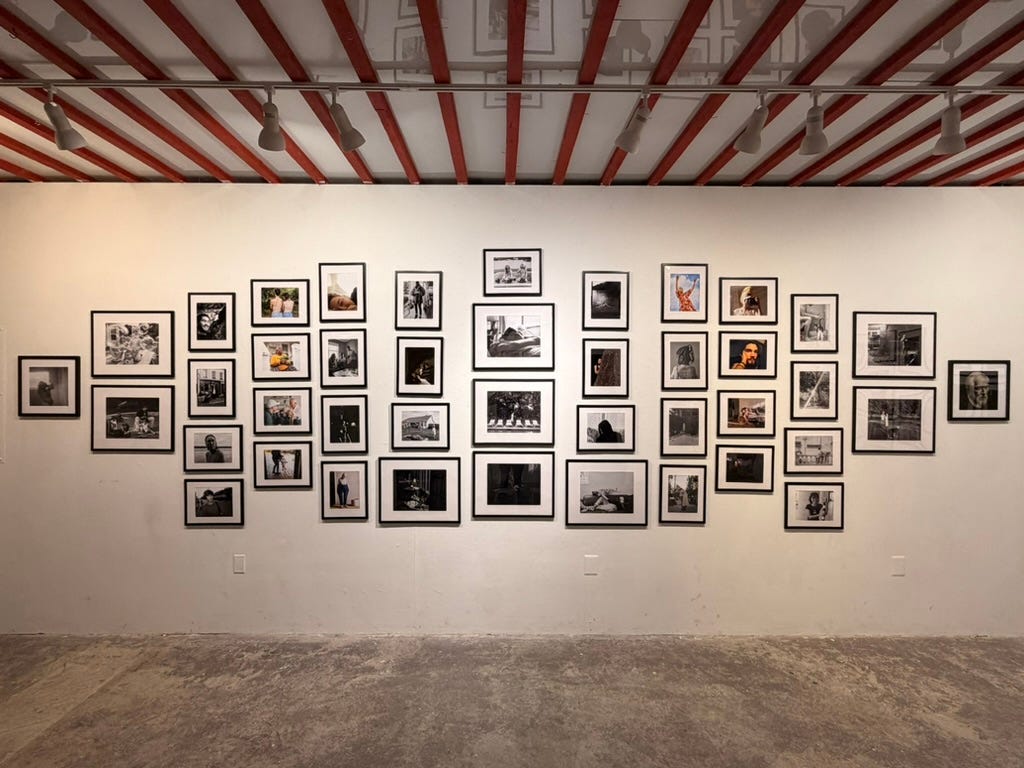
Photography, historically, has always had to fight for its place as “real art.” There’s been this tension between the instrument and the artist. Is it the camera creating the work, or the person behind it? And now, in a world where everyone has a camera in their pocket, that question feels even louder. Everyone can take a photo. Everyone can call themselves a photographer. And in some ways, I love that. I believe everyone is creative. But not everyone is disciplined in their craft. Not everyone has done the work to train their eye, to understand composition, light, color, timing. And even more than that, not everyone has done the internal work. Because great art, in my opinion, requires a level of self-awareness. It requires honesty. It requires a reckoning with who you are.
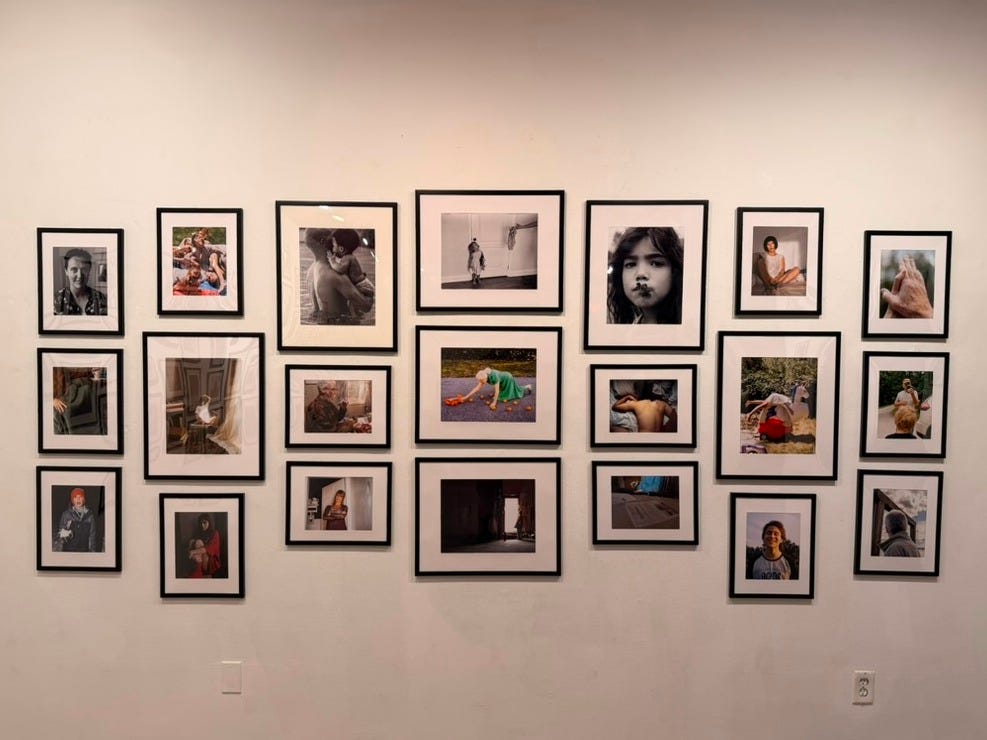
SEE/SAW asks for those personal moments with people who are loved. In may ways the show is twofold. It’s exploring the personal work of these photographers, but it’s also showcasing the people that allow themselves to be seen. Being photographed is an act of vulnerability. There’s a reason so many people say, “I don’t like having my picture taken.” To be captured is to be exposed, to be seen outside of your control.
Some Thoughts on the Art of Curation
SEE/SAW is not the first exhibition I have curated, but in pulling this show together many thoughts emerged and I wanted to get them all out.
I feel like curation gets a bad rap.
Because it pulls from what already exists and creates something new, people start to wonder—is that really creation? If the work already existed, what exactly is being made? But the more I've sat with the question, what is curation, the more I feel it’s actually an art form.
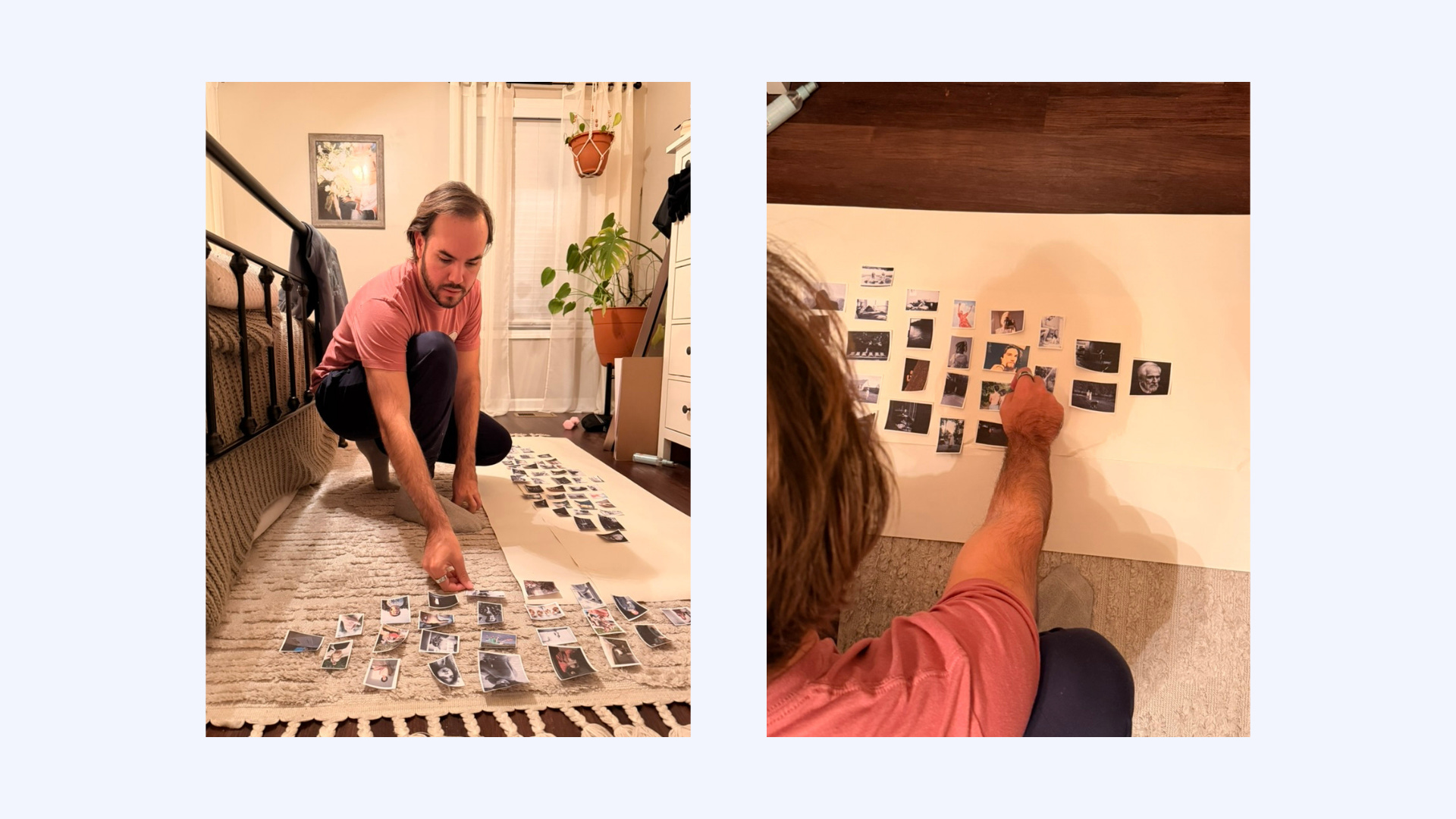
There is something powerful about taking works, whether visual art, film, theater, or music, and placing them in conversation with one another. It’s looking at the historical context, the cultural significance, and then pulling them together so that it reveals something new. Perhaps something the work, on its own, would have never revealed. This organizing, structuring, perhaps, takes vision, and sensitivity. It takes craft.
And while artists absolutely can curate their own work, there’s often a natural bias there, maybe even insecurity. I’ve found that many artists struggle to identify their strongest work, or to step back and see how it lives in conversation with other pieces. That’s where the role of curator steps in, working alongside the artist, or sometimes in their absence, to draw out new themes, and build new conversations around their work.
Curation in some ways reminds me of criticism. Art critics, or Film critics may get an even worse rap than curators. These are people that have spent years watching and engaging with movies or going to numerous art openings, which gives a huge range and wealth of knowledge, providing them the ability to see through all the work and declare this matters. This is worth your time. Not arbitrarily, but because they can recognize something that is new, or rare, or true. I wrote more about this here, but I digress.
Curating SEE/SAW was an incredibly life-giving experience for me. It was a reminder that curators have the power to be gatekeepers, or to be generative. Working with artists will always be a through-line in my life, and a deep source of joy. Helping creatives hone in on their craft and express their experienced reality to the world is rewarding in more ways than one. May SEE/SAW be the first of many adventures in my journey through the art world.
-L
SEE/SAW featured photography from: Abbi Ellis, Alexander Donalson, Amelia Sullivan, Andile Bhala, Arden Barnes, Ashley Holstein, Carey Shaw, Darrell Green, DaShawn Lewis, Dodie Park, Elizabeth Hopkins, Evan Klanfer, Evelyn Thoen, Hannah Foldy, Javier Enrique, KT Kanazawich, Kylie Harrigan, Liz Johnson, Madoka Okuda, Rachel Christopherson, riel Sturchio, Sarah Arnoff Yeoman, Scott Mansfield, Stella Temporal, Tariah Lane, Tiffany Kirstie, and Yoshi Yano.
A zine of the photographs is in the works.
What an incredible collection of work!